Treatment of Municipal Residual Waste for Raw Material Recovery

MORESA – Mobile and Stationary Processing of Municipal Residual Waste

Mobile and Stationary Municipal Residues Treatment

Municipal residues such as road sweepings, sewer flushing sands, gully sands, grit chamber residues from wastewater treatment plants and lightly contaminated soils contain significant quantities of recoverable mineral resources. Without proper treatment, these materials are often landfilled or disposed of at high cost, despite containing valuable sand and gravel fractions that can be reintroduced into the resource cycle.

With MORESA (Mobile Residues Treatment Plant), AKW Equipment and Process Design offers a proven wet mechanical processing solution for the treatment of municipal residues. The process has been successfully applied for decades and enables the efficient recovery of valuable mineral fractions while significantly reducing disposal volumes and costs.
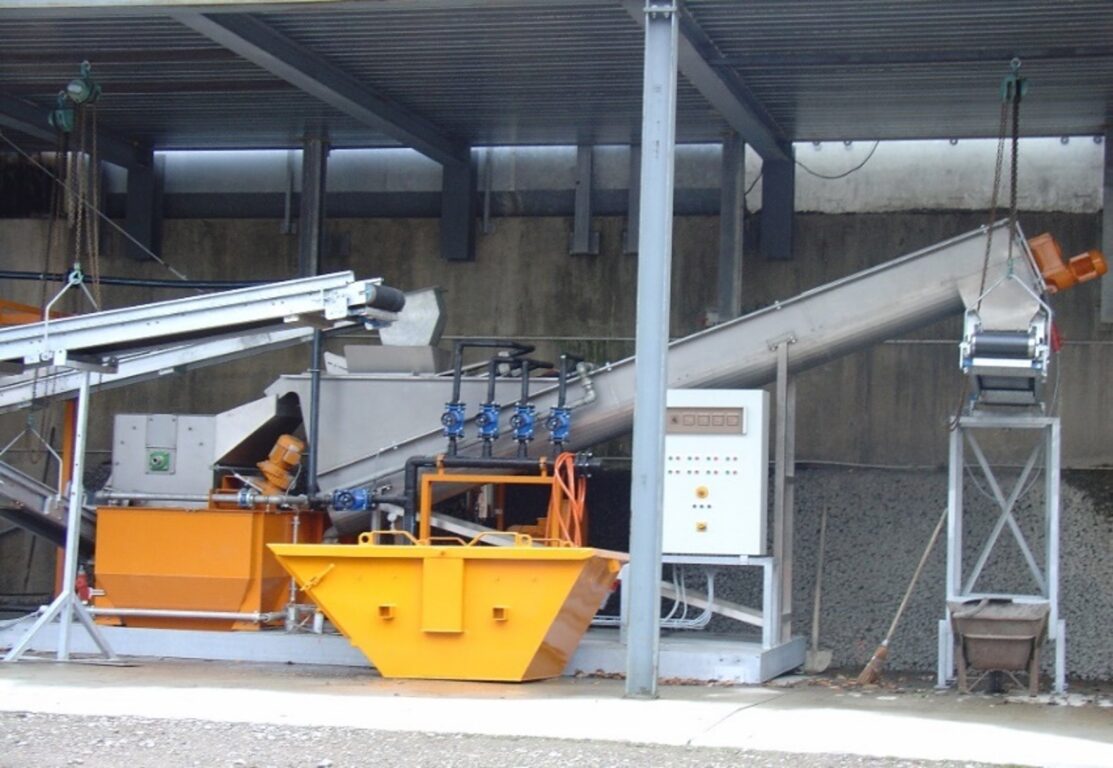
Proven Technology for Maximum Resource Recovery

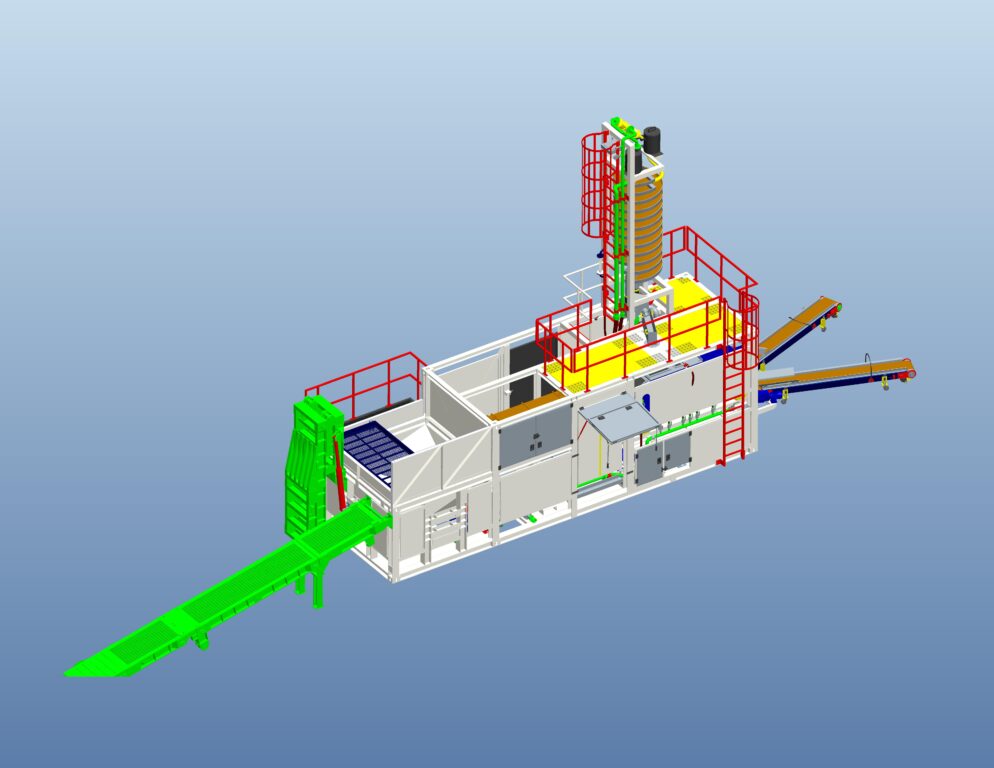
The MORESA process is based on a multi-stage wet mechanical treatment concept. The material is first suspended in water, then classified according to particle size, separated by specific gravity and finally dewatered. This process chain enables the efficient separation of sand, gravel, organic matter and fine particles.

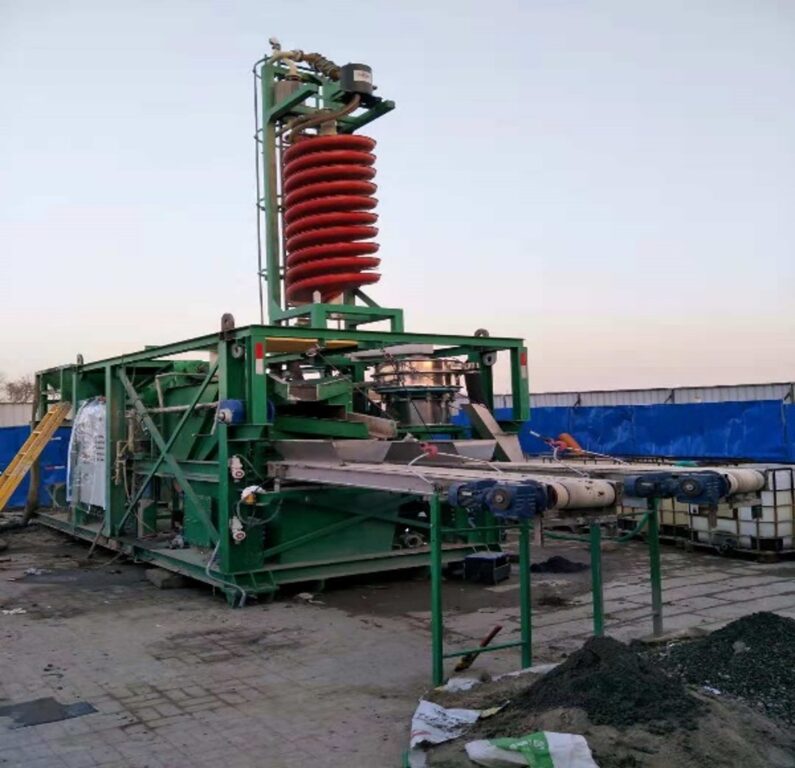
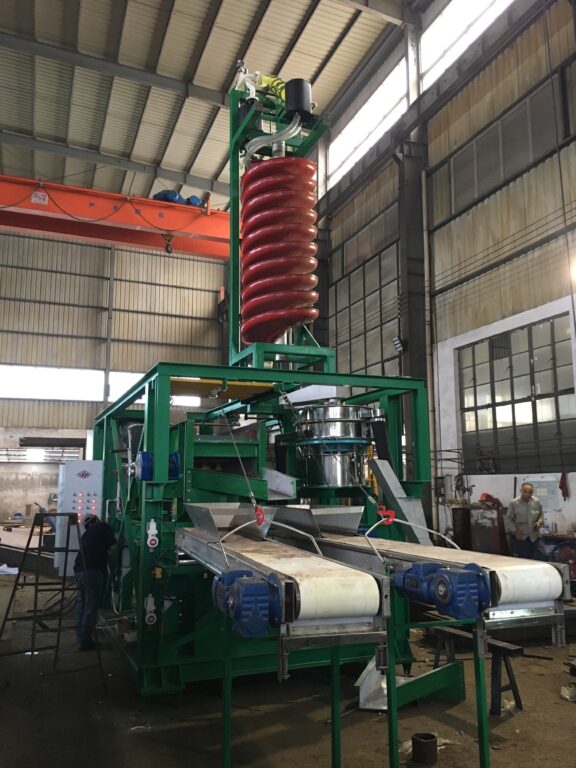
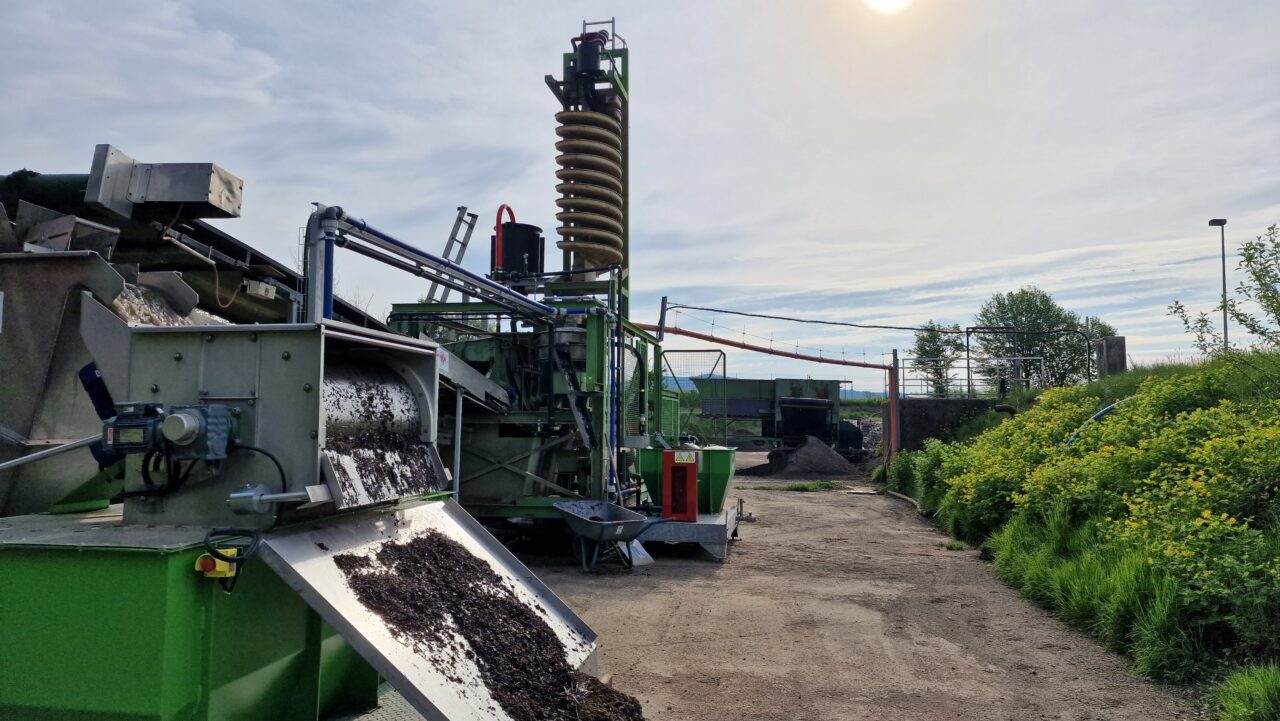
Treatment begins with material feeding onto a double-deck screening machine, where oversize material and coarse contaminants are removed. The sand fraction is subsequently cleaned using hydrocyclones and spiral separators. While the hydrocyclones remove silt, clay and ultra-fine particles, the spiral separators efficiently separate lightweight organic contaminants from the valuable mineral fraction. For municipal residues treatment, this spiral separation technology was first introduced and patented by AKW Equipment and Process Design.

The gravel fraction is then treated in a dedicated density separator. By combining upward-flow and cross-flow principles, organic contaminants are removed while minimizing losses of valuable mineral particles. The cleaned sand and gravel products are subsequently dewatered and can be directly reused or marketed.

Only wet mechanical processing can achieve the cleaning performance required for the genuine reuse of mineral fractions. Typical ignition losses of less than 3% can be achieved in the cleaned sand and gravel products.

Modular Plant Concept

MORESA is based on a modular design and can be adapted to different feed materials, throughput requirements and site conditions.
The core module, MORESA SC (Sand Clean), is designed for cleaning and recovering the sand fraction. Depending on project requirements, the system can be expanded with additional modules:

  • MORESA GC (Gravel Clean) for gravel treatment
  • MORESA WT (Water Treat) for process water treatment
  • MORESA ST (Sludge Treat) for sludge dewatering

All process equipment is based on proven technologies from the mineral processing and mining industries and is designed for maximum reliability, wear resistance and operational stability.

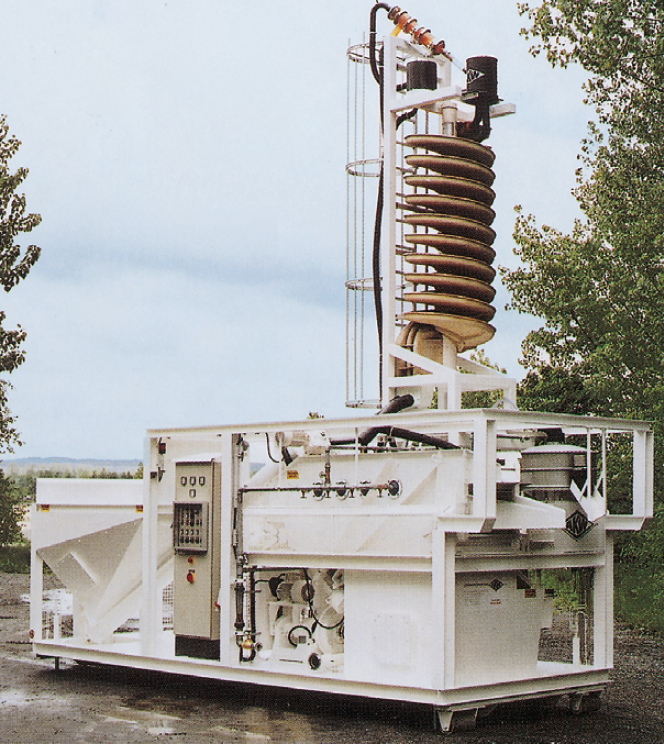
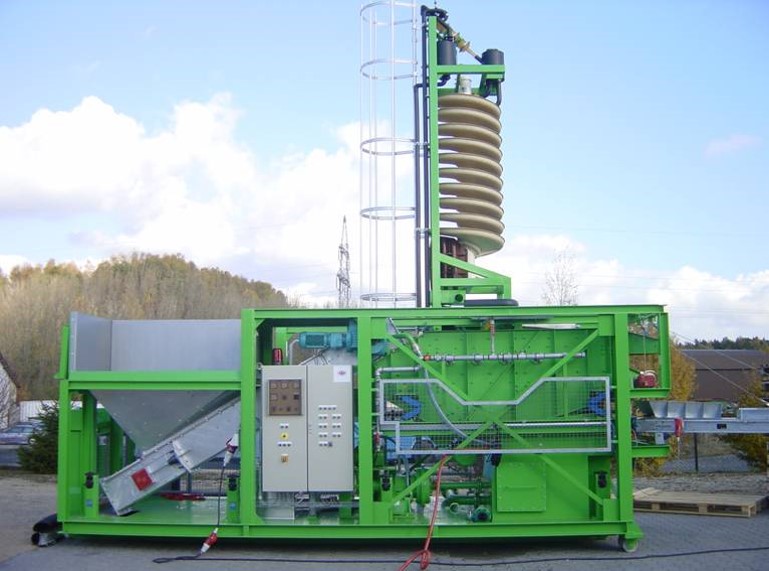
MORESA 4

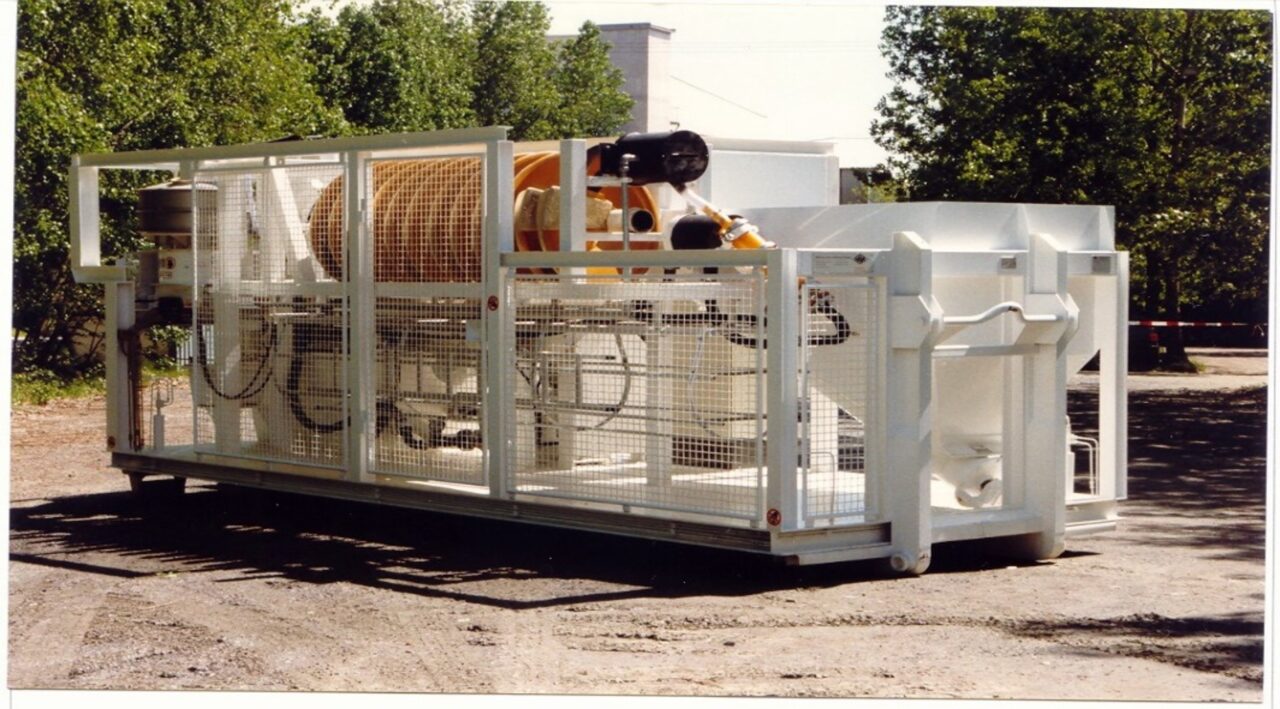
The compact MORESA 4 is designed for small to medium throughput capacities and offers a highly flexible solution for municipalities and environmental service providers.

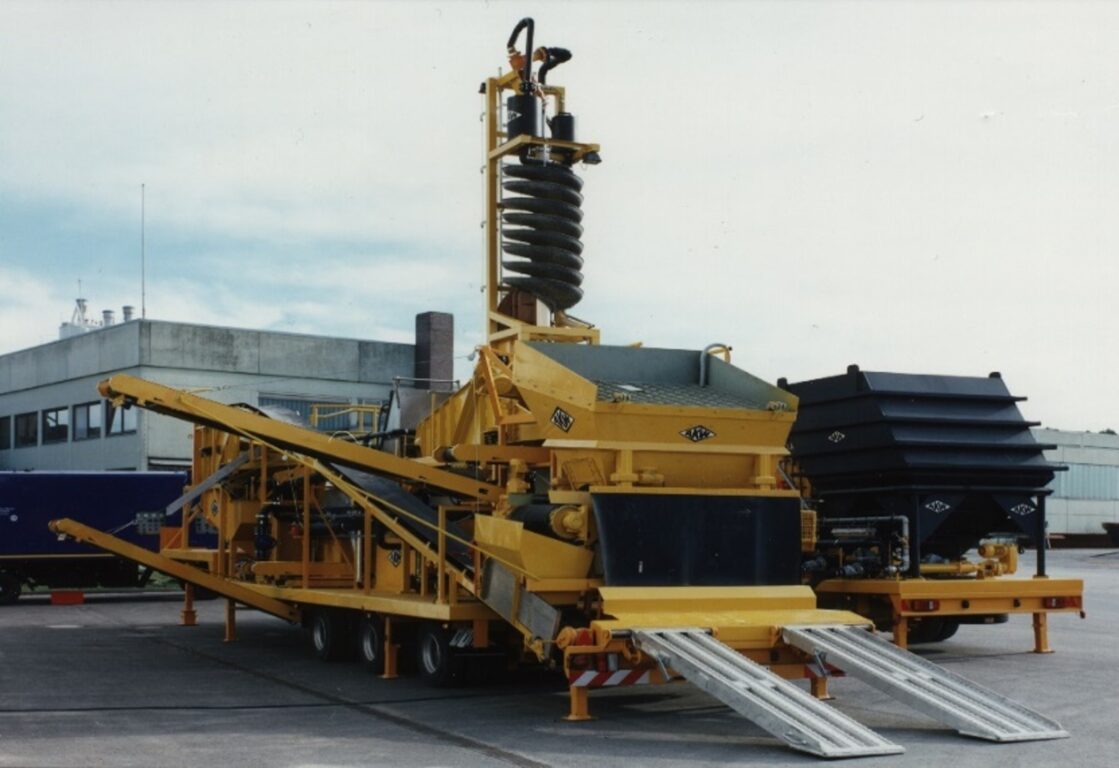
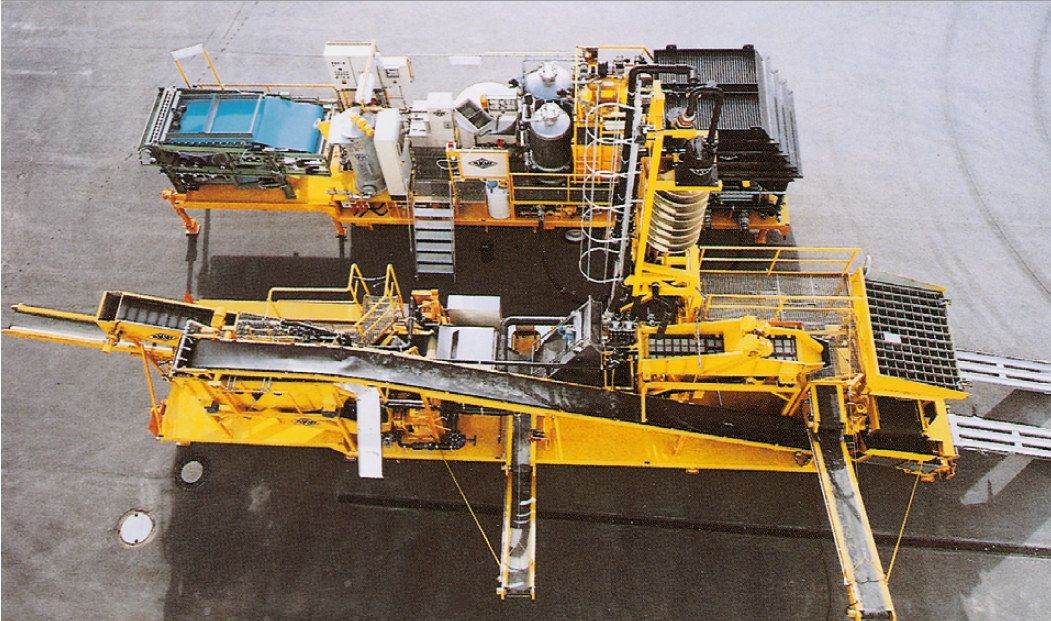
MORESA 10

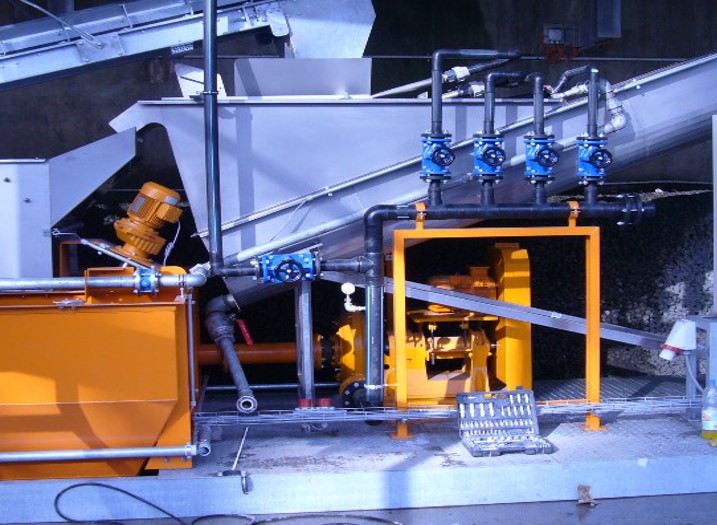
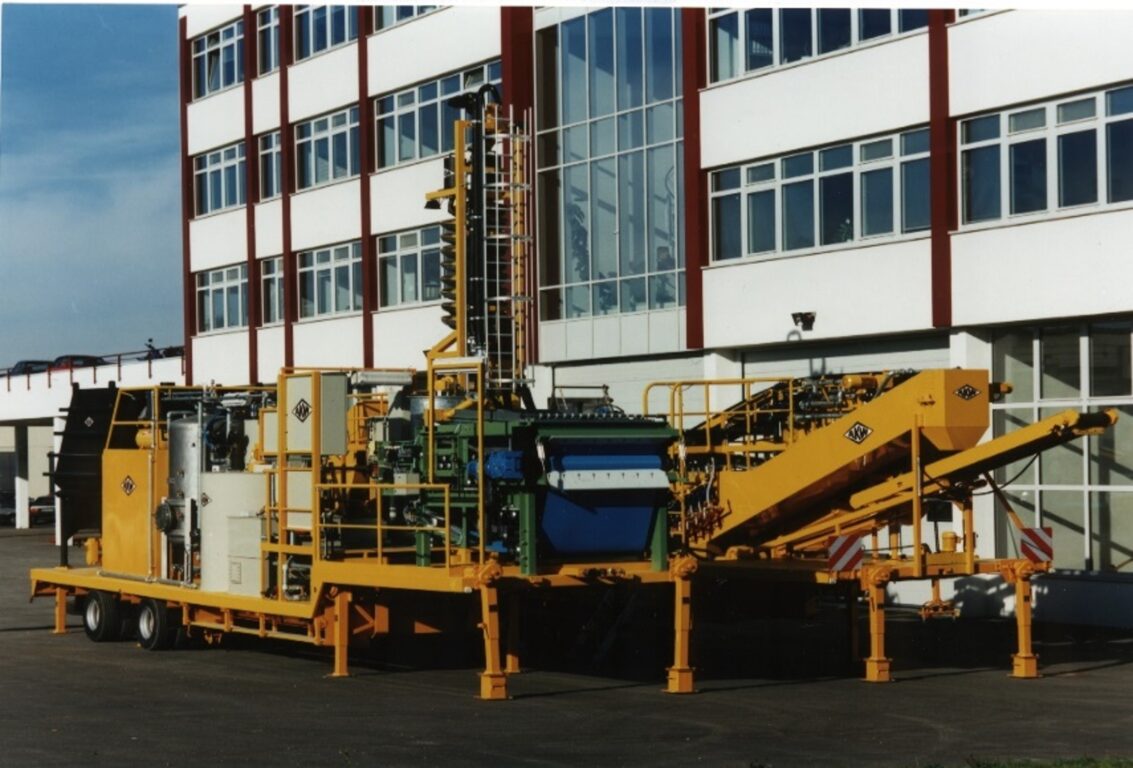
For larger capacities, MORESA 10 provides a fully mobile treatment plant mounted on two semi-trailers. The system combines sand and gravel treatment with integrated water and sludge management. All auxiliary equipment, including pumps, hydraulic units and flocculant dosing systems, are fully integrated. Optionally, the plant can be equipped with its own power generator, enabling operation independent of external infrastructure.

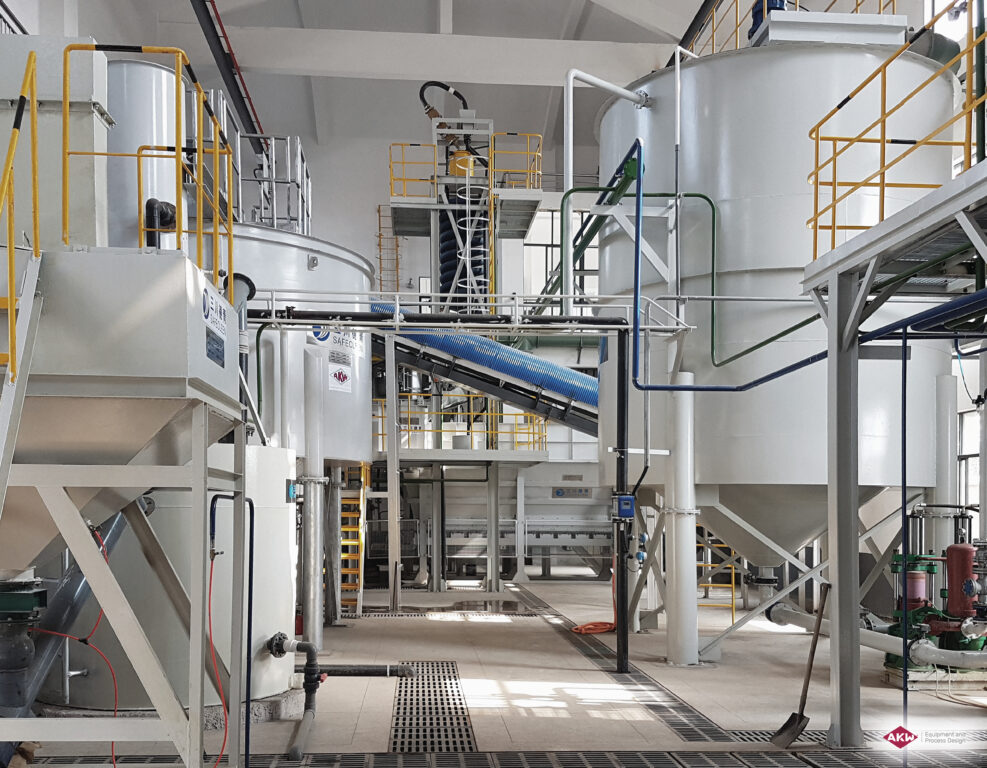
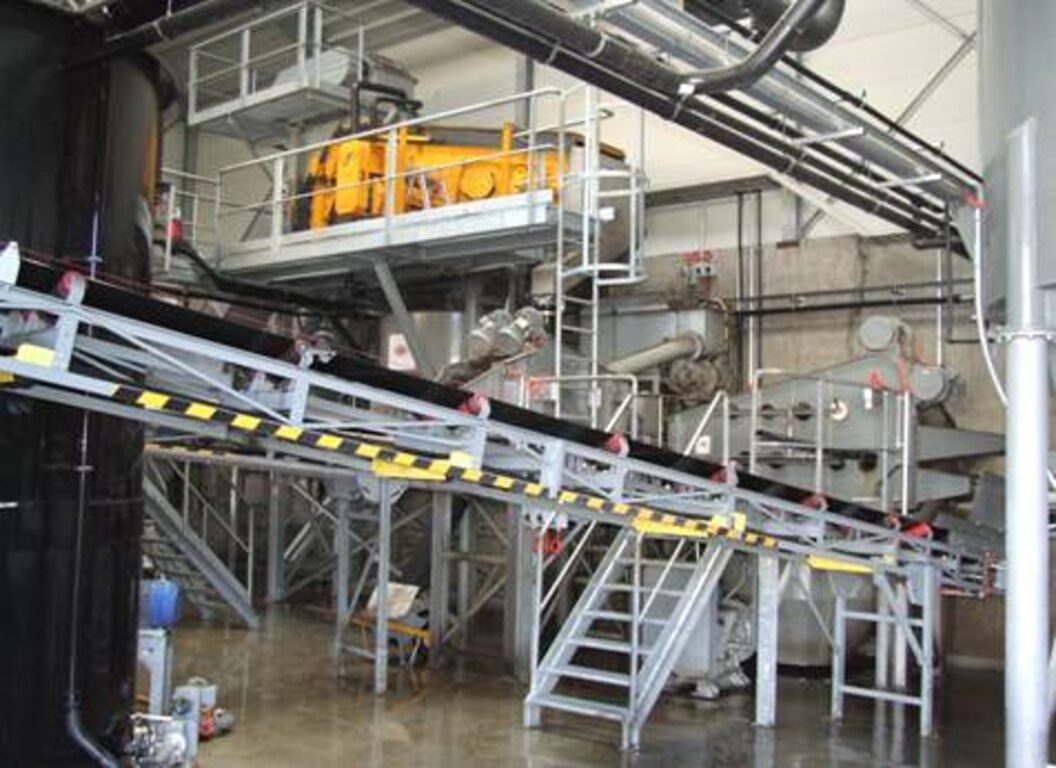
STARESA

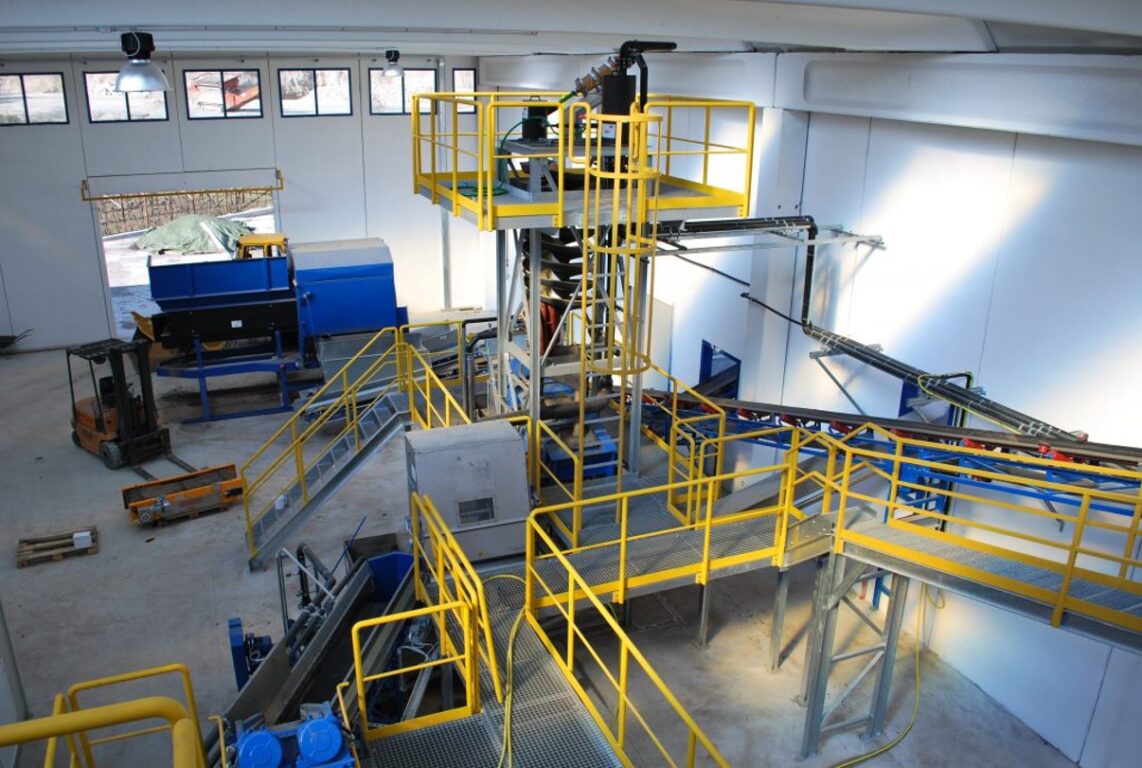
For continuous operation and higher throughput requirements, STARESA represents the stationary plant solution. Designed specifically for the customer’s site conditions and processing requirements, STARESA provides maximum process efficiency, optimized plant layouts and excellent accessibility for maintenance.

Water and Sludge Treatment

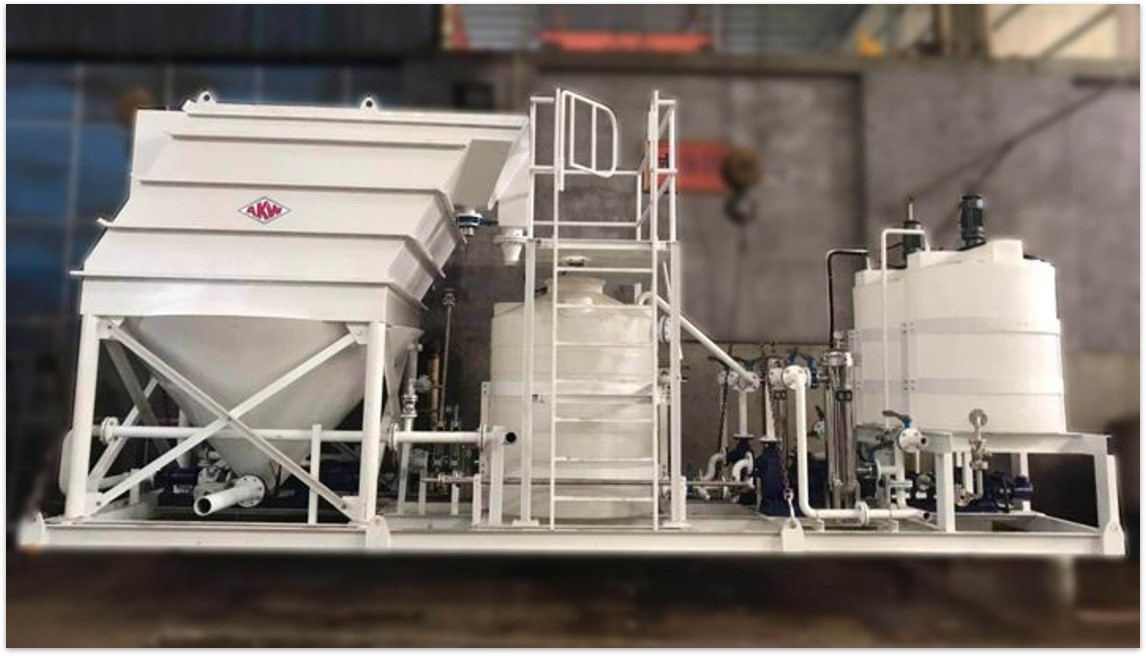
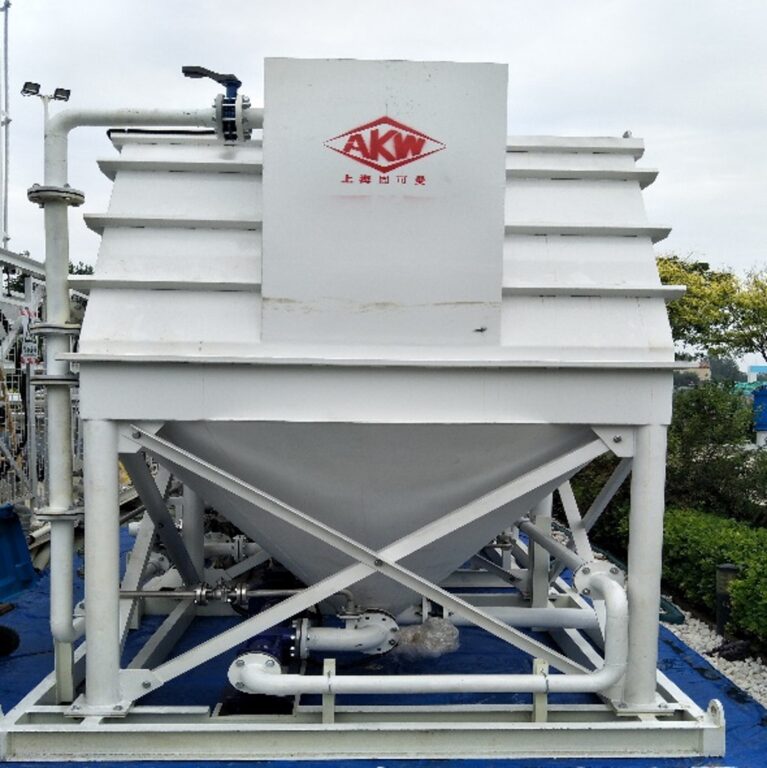
The MORESA WT module treats process water by means of a lamella clarifier, allowing the recovered water to be recirculated to the process. The addition of flocculants enhances the sedimentation of fine particles. Combined with MORESA ST, the generated sludge is dewatered using a belt filter press and discharged as a transportable filter cake.

The closed-loop water circuit enables the reuse of more than 90% of the process water, significantly reducing fresh water consumption and improving overall plant economics.

Creating Value from Residues

The treatment process produces valuable mineral products that can be reused in a variety of applications, including cable sand, backfill material, paving sand and aggregates for civil engineering and landscaping projects. Organic matter, sludge fractions and non-recyclable contaminants are efficiently removed from the process stream.

As a result, materials that were previously disposed of as waste can be transformed into reusable resources for a wide range of applications.

Benefits:

  • Mobile and stationary plant concepts
  • High recovery rates of valuable mineral fractions
  • Patented spiral separation technology for organic matter removal
  • More than 90% process water recycling
  • Robust and wear-resistant plant design
  • Reduced landfill and disposal costs
  • Proven process technology from the mineral processing and mining industries
  • Sustainable resource recovery and circular economy support

Conclusion

With MORESA and STARESA, AKW Equipment and Process Design provides flexible and sustainable solutions for municipal residues treatment. Whether as a compact mobile plant, a high-capacity mobile processing system or a tailor-made stationary installation, the proven wet mechanical treatment process enables efficient recovery of valuable mineral resources, minimizes water consumption and significantly reduces disposal volumes. In doing so, MORESA and STARESA contribute to sustainable resource management and the implementation of modern circular economy principles.